Skin cancer is the most common cancer in the United States. By the numbers, one in five Americans will be diagnosed with skin cancer by age 70. Illinois, Wisconsin, Iowa, Ohio and other Midwestern states have seen a significant increase in melanoma, the deadliest form of skin cancer, with incidence rates higher than the national average.
City of Hope® Cancer Center Chicago is addressing rising skin cancer risks in the Midwest with its Chicago Skin Cancer and Melanoma Program — home to multidisciplinary experts who specialize in screening, diagnostics and treatments for cancerous and noncancerous skin conditions.
Experts with the Skin Cancer and Melanoma Program at City of Hope Chicago provide comprehensive care for all stages of the disease, from initial diagnosis through treatment for advanced, recurrent or metastatic cases, including management of skin reactions related to certain cancer therapies such as immunotherapy.
The following treatment options are available to patients.
Radiation therapy is sometimes used for large, inoperable nonmelanoma skin tumors or to treat skin cancer that has spread to other parts of the body. Procedures include:
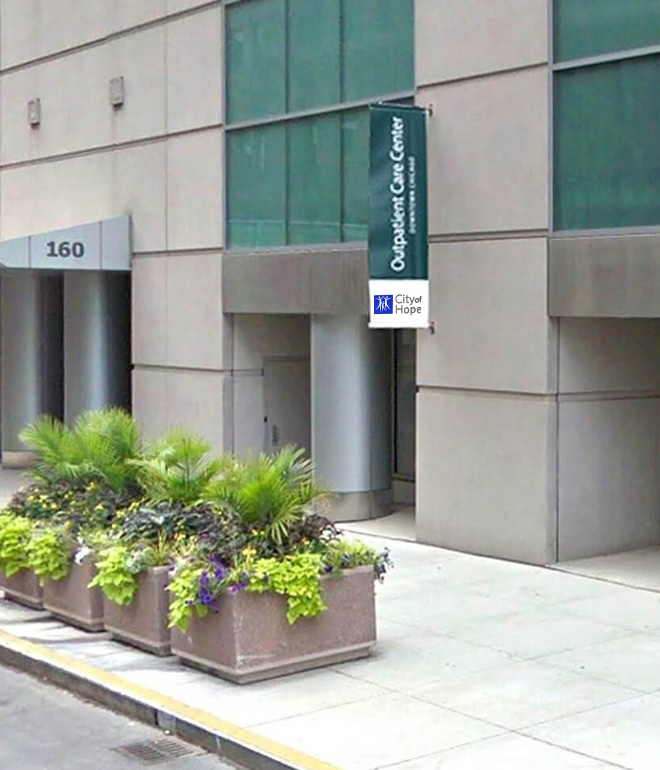
At locations in Lake County, downtown Chicago and the North Shore, skin cancer patients can experience the City of Hope difference — specialization, speed and innovation — closer to home. Benefits include:
At the Chicago Skin Cancer and Melanoma Program, on-site dermatologists care for a wide range of noncancerous skin, hair and nail concerns.
Depending on your needs and preferences, they may recommend creams or ointments (topical treatments), pills (oral medications), or injections to help you feel better and support your self-image.
Our dermatology team also provides full skin checks routinely to help catch skin cancer early. That’s important — because when melanoma is found early, the five-year survival rate is as high as 99%.
At City of Hope Chicago, a dedicated team of experts is with you every step of the way — from skin cancer prevention and early screenings to diagnosis and treatment. Whether you’re facing basal cell carcinoma, squamous cell carcinoma, melanoma or a rare type of skin cancer, our dermatologists, surgeons, oncologists and other specialists work closely together to deliver the most advanced care possible — with speed and compassion.