
335 Posts

September 12, 2023
Managing prostate cancer side effects with supportive therapyProstate cancer treatments don’t just have the potential to affect sexual functioning. They may cause other issues that may require supportive care.
September 7, 2023
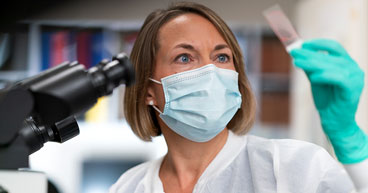
What's the difference? Leukemia, lymphoma and multiple myelomaCancers that are not considered solid cancers are often lumped together in the category of hematologic malignancies, or blood cancers.

August 31, 2023
What does a breast cancer lump feel like?A breast lump feels like a distinct mass that’s more solid than the rest of the breast tissue.

August 28, 2023
What’s the difference? Carcinoma vs. sarcomaCarcinomas form in the skin or tissue cells that line the body’s internal organs, such as the kidneys and liver.
Sarcomas are tumors that grow in the body’s soft tissue cells.

August 24, 2023
How long does chemo brain last and how can it be managed?Some cancer patients may experience a mental fogginess or cognitive difficulties once they begin their treatment.

August 22, 2023
Could removing your fallopian tubes reduce ovarian cancer risk?Two prominent medical research and advocacy groups have issued updated guidance on who should consider surgical removal of the fallopian tubes.
August 17, 2023
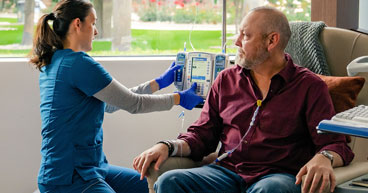
New cancer treatment alternatives may make chemotherapy less inevitableChemotherapy is still regularly used in cancer treatment—either by itself or in combination with other therapies—but oncologists also have a variety of newer cancer-fighting drugs at their disposal.
August 15, 2023
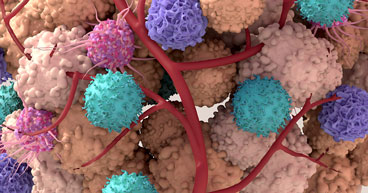
Cancer relies on the tumor microenvironment to grow and spreadThe ecosystem surrounding cancer cells is called the tumor microenvironment — a complex, biological metropolis of cells, molecules, proteins and blood vessels.
August 10, 2023
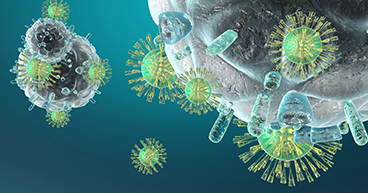
How does the immune system fight cancer? It's complicatedIf the human immune system is so strong and sophisticated, why do nearly two million Americans develop cancer every year?
Guidelines
The information contained in this blog is not intended nor implied to be a substitute for professional medical advice. Always seek the advice of your physician or other qualified health provider prior to starting any new treatment or with any questions you may have regarding a medical condition. Nothing contained in the blog is intended to be used for medical diagnosis or treatment of any illness, condition or disease.