
Psy.D.
Clinical Health Psychologist; Associate Clinical Professor of Psychology, Department of Supportive Care Medicine
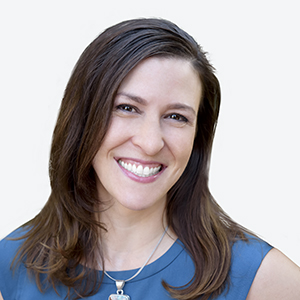
Marissa A. Cangin, PsyD, is an associate clinical professor and licensed psychologist in the Department of Supportive Care Medicine at City of Hope® Cancer Center Duarte, where she provides psychological care for inpatients and outpatients and supervises postdoctoral fellows. Her clinical expertise includes helping patients manage procedural anxiety, fear of recurrence or progression and death anxiety. She believes that cancer is not only a physical experience, but also a profound psychological journey, and she is passionate about supporting patients emotionally through every phase of their care.
Before joining City of Hope, Dr. Cangin served as director of psychosocial oncology services at Cornerstone Hematology/Oncology and the Hayworth Cancer Center (now part of Wake Forest Baptist Health) in High Point, North Carolina. There, she chaired the Oncology Support Subcommittee and developed a survivorship program to help patients transition successfully to survivorship. She also worked as a clinical consultant with Guideposts of Strength Inc., a grant-funded program offering educational and emotional support to newly diagnosed cancer patients and their families.
Dr. Cangin earned her PsyD from Immaculata University in Chester County, Pennsylvania, completing a predoctoral internship at Minnesota Neurorehabilitation Services in Edina and earning the Existential-Humanistic Theory and Application Award from the Pennsylvania Psychological Association. She later completed two fellowships—one in HMO-based clinical psychology at Kaiser Permanente in Oregon and another in psychosocial oncology at Wake Forest University Baptist Medical Center in North Carolina.
Recognized with multiple honors, Dr. Cangin’s research proposal, “Reducing Dyspnea in Patients with Lung Cancer through a Breathing Intervention,” was selected for National Cancer Institute concept development. She has authored numerous peer-reviewed publications, presented nationally and is an active member of the American Psychosocial Oncology Society. Her research focuses on psychosocial interventions for patients with advanced cancer, including grant-funded studies training oncology clinicians in cognitive behavioral therapy and improving support for those coping with fear of disease progression.